|
Click
Here for the essential guide for bulldog owners!
The
Appearance of The Bully Mix & Bulldogs
We all know and love the fact that bulldogs are a
stocky breed, with a compact body that has a very low center of
gravity and short, sturdy and strong limbs. The unique and unmistakable
shape of the "breed" results in a peculiarly unique and
well-known gait that is sometimes imitated when referring to weight
lifters because they swagger like cocky tough guys! But that tough
looking exterior as we all know is covering a real heart of gold!
Bulldogs and are known for their short muzzles with somewhat saggy
skin on their faces, creating what looks like a "frown" which has
become almost the trademarked look of the breed.
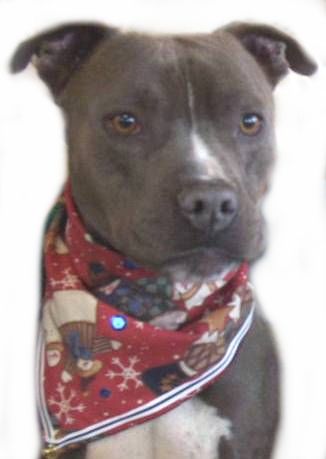
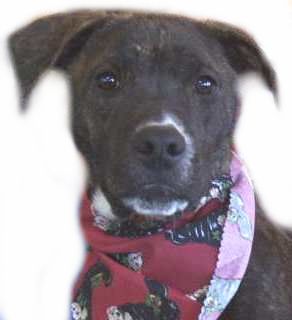
Bully mixes will often show slightly softer characteristics of the
bulldog especially when mixed with larger and thinner breeds in
which case we often see the skull and eyes revealing the biggest
clues that the puppy is actually a mix. The traditional bulldogs
come in a variety of colors and ideally will have a short and smooth
lustrous coat. Beyond the bully mixes, which can come in a more
varied size and shape the weight of what we consider the traditional
bulldog is between 40 and 55 pounds (18 to 25 kilograms) when fully
mature.
While
it's true that what some dog owners call "pit bulls" (i.e. American Pit Bull Terriers,
American Staffordshire Terriers, and Staffordshire Bull Terriers) can trace their
genetic lineage back to the original breed of bulldog. Bulldogs were historically
crossed with terriers to create what is known as the "pit bull" breeds ("pit bull"
is not actually it's own certified breed; rather, it is a inclusive term which
is used to collectively describe the American Pit Bull Terriers, American Staffordshire
Terriers, and Staffordshire Bull Terriers). After decades of selective breeding,
however, all of the dogs that originated with bulldogs, all the "pit bulls" included,
now have a unique set of traits and characteristics that are standard to that
breed. Pit Bulls (capitalized, that term actually refers to the American
Pit Bull Terrier) are a recognized breed, with their own special traits and characteristics.
So are American Bulldogs. Therefore, the most accurate description of many of
these wonderful dogs would be American Pit Bull Terrier/American Bulldog mix.
Be cautious if people are just referring to such dogs as a "pit bull"; it really
isn't accurate. Dog owners sometimes refer to such dogs (a Staffordshire Bull
Terrier/American Bulldog mix for example) just as a "bully breed" or "bully
mix". It's simple and more accurate. But if you really want to be an ambassador
for the animal and to really educate people, you could always say the full and
accurate breed name of your dog when asked, although smiling and saying that she's
a "bully mix" will likely be less complicated!
Bulldog
Joint Pain Relief & Bull Dog Arthritis Relief : Restoring
Bulldog Pet Vitality
Never
Worry About Your Bull Dog's Bathroom Needs Again! : WizDog
Bulldog Relief for Adult Pee-Pee Time
Buy the craziest bulldog gear here : Crazy
Bull Dog Puppy Gear

Characteristics
& Temperament of the Dogs There
are many wrong perceptions and untrue prejudices against bulldogs and the bully
mixed breeds often due to their rather severe appearance. While they are not as
cute as cuddly as some other canines the owners of these pets understand that
they have an inner tenderness and beauty that goes beyond the outer appearances.
Truly; the temperament of the Bulldog is generally considered to be quite docile,
friendly and extremely gregarious. They are well-known for being fiercely loyal
to their owners. International breeders have made incredible progress and have
been extremely successful to breed the aggression and aggressive traits out of
the breed, so these dogs are known to be of a generally very good temperament.
Of course they can rarely be considered as "docile" bulldogs
will often be so attached to their home and family that they will not want to
venture out of their yard without their human "master". Due to this
friendly nature bulldogs and breeds mixed with the bullies are known for getting
along very well with young children, other breeds of dog and any housebroken pets
in general. A bulldog is also suitable for smaller houses and even apartments
due to their smaller size and relative lack of energy (don't call them lazy!),
but bullymix puppies may be somewhat destructive with their curiosity until they
reach a more mature age. Take a lot of pictures of these little rascals as they're
growing up because they progress through some wonderful stages of growth that
should be well documented.
Bully
Breed & Bulldog
Health!
One
of the main characteristics of the bulldog is their unforgettable silhouette and
unmistakable shape and along with this unique attribute comes some health concerns,
especially due to the shape of the skull of the dog. The bulldog's skull, upon
skeletal study, typically shows the characteristic underbite (technically known
as mandibular prognathism) that makes the loose skin on the jowls hang the way
it does and makes the mouth close in the particular way.
 The
make-up of the dog's skull, in fact can mean that the bulldog is prone to some
health issues. Of course, all dog breeds have specific issues that can effect
them, but the size and shape and bone structure of the bully can mean that breathing
issues could be prevalent in these animals due to the shape of the lower jaw combined
with the the shortness of their muzzle. As anyone who owns one can attest; bulldogs
are known to snore. Unfortunately some dogs will be affected to interstitial
cysts, these are cysts which can form between the toes of the dog. Such tow cysts
will quite certainly cause your dog some discomfort and the owner some distress
as no-one wants to see their dog suffer but the good news is that such conditions
are readily treated by an experienced vet and if the dog owner is aware of the
predisposition of the breed to this condition they can be vigilant for signs of
onset. Other common conditions owners may find in their best friend is something
called "cherry eye" and allergies in certain older dogs; hip ailments
are also something that certain bullies are prone to simply due to the stocky
nature and skeletal configuration of the frame of the beasts. Because
of their large heads, bulldogs, and to a lesser extent the bully mixes, can have
small bodies in proportion to their heads and are often delivered by Caesarian
section. A C-Section may be the only solution to avoid pain and suffering for
the mother as they could get stuck in the birth canal during a natural birthing,
however it is not totally uncommon for a bulldog to whelp completely naturally
and successfully.
Always discuss the need for having an induced Caesarian
Section birth procedure with your veterinarian. Bulldogs, bless their hearts,
will require you to give them a daily cleaning of their face folds to avoid any
unwanted infections caused by the accumulation of moisture in the folds of their
saggy facial skin. Just like many other dogs a daily brushing of their teeth with
a regular soft toothbrush using one of the better brands of a vet approved toothpaste
is also recommended.
There are many organic and natural toothpaste pastes available for dogs. It goes
without saying that bulldogs and all bully mix breeds require daily exercise and
if the animal is not properly exercised the poor creature could gain weight, which
could cause health problems relating to the lungs and heart. Many of us know that
having a dog also forces us to do more exercise and incorporating your dog into
your exercise program is a surefire way to keep both of you living longer and
stronger for years! Bulldogs, despite their tough exterior look, are
extremely sensitive to both heat and cold and care should be given to the dog
during cold winter days and also in overly warm and humid summer periods. During
such hot days, the owner should ensure that the dog has plenty of shade, water
and should be ideally kept out of standing heat. As the breed has developed through
the ages the tail has become tighter to the body and if not cleaned under the
tail regularly an infection could develop. Responsible pet ownership
is encouraged and regular vet visits are a must with such a special breed!
Bulldog
History
Where did the name come from? The word "bulldog",
as applied to these incredible creatures, has been in use in recorded
history since around 1568 when the term was likely applied to various
ancestors of what are the modern bulldog breeds. The early genetic
breeding masterminds were aiming the dogs for a fairly cruel and
mean existence and in the 17th century the bulldog was used for
bullbaiting and, to a lesser extent, bearbaiting which was a particularly
savage gambling sport that was popular back in the 1600's and involved
trained bulldogs leaping at a bull or a bear tethered to a post
and latched onto its snout and attempted to literally suffocate
it.
Such cruelties to both animals was considered a viable blood sport
and in today's standards such behavior would be considered as downright
inhumane at the time it was nothing to be ashamed of. Thankfully
the breed has evolved, the aggression has been treated as an undesirable
and receding gene, so to speak and the current bully pups are full
of potential and becoming more and more as one of the best dogs
for a caring family.
Dog lovers have gathered together to share stories and fellowship
with other owners of their shared & common stock and the oldest
specialty dog club devoted to the specialty breed was started in
jolly old England back in 1875. This group of pub crawling canine
lovers were known, not surprisingly as, the Bulldog Club., And their
initial writings and specifications describing the breed became
the standard!
While the breed has evolved immensely from the 1800's and the bulldog
mixes have become popular especially with the Terrier group of animals
there has been a renewed interest amongst some dog owners who have
tried to recreate a breed more akin to the original bullbaiters
of three hundred years ago; recent examples of this questionable
trend are the breeds known as the Olde Englishe Bulldogge, Renascence
Bulldog, Victorian, Continental and Dorset Old Tyme Bulldog. The
American Kennel Club, however, has decided not to recognize any
of these newly "recreated" breeds of dogs. Many owners of bulldogs
or the bully mixes tend to agree that the progression of the breed
has come so far and looking back to rekindle such traits may be
counterproductive to the future of the acceptance of the breed.
Questions
About Bulldogs & Bully Mixes
Click
Here for the essential guide for bulldog owners!
FetchDog.com
bulldog
products
Your source for news and opinions on bully mix mixed
breed bull dogs and bull mix puppies american bulldogs and english
bulldogs with cute bulldog photos
Restoring Bulldog Pet Vitality : Bulldog
Joint Pain Relief & Bull Dog Arthritis Relief
WizDog Bulldog Relief for Adult Pee-Pee Time : Never
Worry About Your Bull Dog's Bathroom Needs Again!
Crazy Bull Dog Puppy Gear :
Buy it here
Everyone with a dog, even if it isn't our favorite bulldog, has
questions and concerns about the health and welfare of their friend
so we have compiled a few of the most common inquiries regarding
the raising of the bully mix puppy. If you have any questions you
don't find the answer to here then it may be a good idea to call
your local Bulldog Club or any local chapter of the American Kennel
Club or Canadian Kennel Club affiliate as they can likely direct
you to the resources in your area that deal specifically with your
dog.
How
Long Will a Bulldog Live?
What Is The Average Life Span Of An English Bulldog or a Bully Mix?
Of course, keeping your dog healthy and happy by showering her with
love and regular exercise will help them live to a ripe old age.
With all the devotion and affection we receive from our bulldogs,
all owners would like their bullies to live forever (or at least
a very long time) but in most cases, the average life span of a
Bulldog is between 8 to 10 years. Of course some bulldogs that have
made it to 12 years old and there are some rare cases where a bull
has survived for 15, 16, 17, and even an 18 year old. The common
health issues we discussed earlier tend to affect older dogs so
such exceptions to the average life span are rare; the average life
span is 10 years. Providing a wholesome diet, plenty of exercise,
regular vet visits, and comfortable living conditions will defiantly
help increase this time and allow you to enjoy your dog for many
years. As with any pet it is best to fully understand the responsibilities
involved in owning a pet, regardless of what sort of animal or breed
it is as it goes beyond the infatuation period and requires a real
lifetime commitment.
Embrace
Pet Insurance
Ensure your bulldog or pet to ensure any medical bills are covered.
Are Bulldogs Good With Kids?
Bulldogs and bull mixes absolutely love kids! Ask
almost any dog owner who has a properly raised bull mix terrier
or other combination and they all agree that they are very patient
and tolerant with children, they are very gentle and loving. That
being said, no child should ever be left unsupervised with any dog,
no matter what sort of dog, because children often do not understand
the proper way of handling a young puppy and could hurt the fragile
newborn or even cause pain to an older pup. How many times have
we seen editions of The Planets Funniest Animals and seen some hapless
puppy or kitten being dragged literally by the whiskers or the tail
as some young, well meaning child, drags the poor animal into a
baby carriage to push around the living room! In situations like
this even the most patient dog may bite the young hand that doesn't
know any better!
Do Bulldogs Get along With Cats & Other Pets?
Yes! We've seen everything from German Shepherds
to Daschunds cuddle up with another dog or a wee kitten and the
bull dog and bully mix is no exception to the rule. Of course, common
sense has to be used if you are planning on introducing a puppy
into a home that already has a dog, or any other living creature,
in residence. This applies to even your friends and any strangers
that may enter your home...dogs, especially the bulldog are very
loyal and somewhat territorial so care should be taken when contemplating
such visitations or combinations. The bulldog, not being aggressive
breed by nature, love to make friends with other animals more so
than with new people but they can take to your new boyfriend with
a little coaxing and a few doggy treats! Introducing a new member
of your family or bringing a new pet, whether cat or dog, may be
harder on the pet you already have, so patience is the key to making
it work. Let any new pets get to know one another only under your
strict supervision. Once the bond has been made things will go smoothly
but don't expect two or more unacquainted animals to suddenly fall
in love...it happens to people but such infatuation is rare between
dogs or amongst different species. Take it slow and it will work
but always take such introductions slow and with you in control
much the same as you've seen with Caesar and the Dog Whisperer!
Why
do bully mix and bull dogs cost so much?
They don't really! A bully mix is less expensive
than a more pure bulldog...this is why we love the bully mix! They
are inexpensive yet offer many of the wonderful traits of the bull
breed. If you are considering buying a bulldog and if the first
question that skips across your mind is regarding the price then
maybe this is not the breed that you should be looking at. In fact,
when considering buying any pet you can visit the local SPCA or
animal shelter but the business of choosing a new dog should never
be a factor of cost. Buying a dog is not like finding a deal on
a laptop computer or a set of winter tires; no, any dog that is
to be cared for and loved for two decades should be a dog that strikes
a chord deep within us! In order to breed a high quality bulldogs
it is not cheap and and certainly a bully mix is not something you
want to pick up at some roadside puppy mill! There is a great deal
of time, effort and expense involved in raising a proper and healthy
Bulldog litter.
Without going into detail, it can cost up to $3000 to breed, deliver
and raise a single litter, which is mainly for resources and takes
little consideration for the time invested in raising the new litter.
As with any dog you have to deal with a reputable breeder as there
are many folks hoping to make a quick dollar by setting up some
cages in the backyard and forging a few pure bred papers on the
printer; if you are serious about the adoption of a bully mix then
first visit the local animal shelter. A natural bulldog litter size
is 4 puppies. Part of the cost of raising the dogs for selling is
the expense involved in getting the females ready for breeding which
requires pre-breeding testing, ovulation testing, which entail a
minimum of approximately three visits to the vet. The female will
usually be artificially inseminated which mean at least another
3 trips to the vet, not to mention the expenses for the semen/stud
service which is in the area of $500 if it is a reputable and certified
service. Then the breeder must wait 30 days for an ultrasound or
x-rays or a combination of the two because it is important to be
sure the female is really pregnant! You'd be surprised!
Breeding
bulldogs also involves special diets for the mother and a constant monitoring
for the next 5 weeks of pregnancy, plus getting the nursery set up with with heating
pads, bottles, blankets, medical supplies, milk replacer, puppy scales, and other
accessories for a proper incubation and nesting as the list of required products
to buy in order to give proper early care goes on and on.
FetchDog.com products
for bulldogs and bull mixes.
Then, as in most birthing situations comes
the C-section which, depending on the veterinary services offered in your area
can cost upwards of $500 assuming the mama went into labor during regular office
hours and all went well, which is often not the case! Females can typically produce
only 2 or 3 litters during a lifetime. Bull dogs and mixes are a special breed
which require the help of caring and patient humans to bring a litter to 8 weeks
of age. In spite of their strong initial appearance the Bulldog, as a newborn
puppy, is rather fragile and the newborn puppies require constant monitoring.
Bulldogs actually don't make the best mothers because they may lay on a puppy
by accident and not even realize they are harming the little thing which is why
surveillance is important during the birth and why a knowledge of the canine disposition
is essential. The wee puppies, when properly cared for, will be checked by the
vet at least 4 times during their first two months. These
visits to the local vet include the wormings and puppy shots that are mandatory.
This is a breed that requires maximum effort on the part of the breeder to make
sure that all the puppies turn out to be healthy and this whole procedure is extremely
costly. If you are looking to buy a bulldog you will find that most breeders range
their pet bullys around the price of up to$1800 mark. Be wary of the "great deals"
and "cheap puppies" that you see for sale in newspapers as such poorly bred puppies,
if they come from nonprofessional puppy mills may cost you a lot more in the end
- not just in terms of money, but also the heartache of owning a dog that has
health problems. As with anything we will often get what we pay for and a living
creature like a dog it only makes sense to pay for a quality upbringing!
Do Bulldogs Make Good
Watchdogs? Not really. If you are looking for a watchdog then a bulldog
or a bully mix will not necessarily attack someone entering your home. You see,
because of their temperament, Bulldogs simply will not act like a typical trained
attack dog. They may bark, and make no mistake they will protect their family
if they feel they are in danger, but they should not be considered as a formal
watchdog. As was discussed earlier the aggressive traits have been gradually bred
out of this breed and there are other dogs more suitable for being a watchdog.
That being said, a bull dog mix will behave like most dogs and bark at any disturbance
and due to their loyalty may be a good choice for a family pet that also provides
the minor protection needed to make a family feel comfortable. Do
Bulldogs Snore? Yes the bulldog will snore. And it can be quite a loud
little sleeper to boot! Because of their short breathing passages Bulldogs do
have the tendency to snore. This trait is not unusual for the short nosed dog
breeds and it is something the dog lover who is considering owning a bulldog should
be aware of. Because of the skeletal structure and skull shape of the bulldog
head they can snore extremely loudly! Nutritional
Supplements for your Bully Mix Dog
Indoor Dog Potty
 The
new revolutionary house training system for dogs. Consisting of a durable plastic
pan and fitted grate, liquid waste dispenses through the grate onto newspaper
or a pee pad, separated from your dog's paws - No more wet paw tracks throughout
your house! Solid waste stays on top of the grate, so you never have to touch
it. Just flip the grate, and it's gone. That's it! Indoor
Doggy Potty
Links & Resources
2009 Dog
Show - News, Events, Finalists, Dog Breeds & Awards ...The official site of the
Westminster Kennel Club dog show featuring news, events, dog shows, pictures,
videos, records. Find 2009 results and shop at the ... Hound - Ticket Information,
Location ... - BEST IN SHOW www.westminster
kennelclub.org/
American Kennel Club - A Beginner's Guide to Dog ShowsShowing dogs is a great
sport where the thrill of competition is combined with the joy of seeing beautiful
dogs. Dog shows are one of many types of AKC dog www.akc.org
Bulldog Breeds - Bull Dog - English Bulldog, American Bulldog, Pit ...BulldogBreeds.com
offers information, photos, and breeder listings for bull dog related breeds including
the American Bulldog, Boxer, English Bulldog, ... English Bulldog - American Bulldog
- Photos - Pit bull www.bulldog
breeds.com
| When
feeding your Bulldog, like every animal, including you and I, require a well balanced
and wholesome diet which should be low in fats or any artificial ingredients.
A Bulldog likes to eat out of a pan with straight sides and a flat bottom; the
best dog bowl is a stainless steel because,it not only lasts longer but it is
also the most sterile and very easy to clean. Bulldogs can actually break out
in what look like pimples if they are fed from other types of bowls so don't use
plastic bowls for the food or the water. Most breeders will feed two to four month
old puppies four times per day and at that young age age the puppy kibble is usually
softened with a sprinkling of warm water. Some people even add a bit
of cottage cheese or a un-flavored low-fat yogurt. It is best to do your research
and choose a high quality food as their are are several good brands of puppy kibble
but some have more filler than others so always seek out the top quality. If you
or the puppy seem to be unsatisfied with the kibble she is eating then try another.
In order to have a healthy growing dog you really want to offer a kibble that
the puppy likes and which helps produce a nice coat, keeps the puppy well rounded
but not obese or overly plump, and produces good solid stools. We are not here
to recommend a particular brand over another but some of the better quality dog
food is made by Iam's, Nutro, Eukanuba, Purina Puppy Chow or Science Diet. As
you would on the food your family consumes, check the list of ingredients on the
bag. Never feed your Bulldog a kibble that contains soybeans.
Nutritional
Supplements for your Bull Dog You may feed
your dog on a set schedule, or have food available for her at all times. The bulldog
pup will flourish under either system and the choice depends on which is more
convenient for you and what sort of lifestyle you live. There are even automatic
feeders to keep a regular timetable for your dog but don't rely on an automatic
dog feeder to allow you to leave the dog alone for days on end! They shouldn't
be left alone and if you are the type of person who enjoys long trips away from
home then perhaps this sort of pet isn't for you. How
much you will feed her depends on the individual puppy. Normally, a growing puppy
which gets sufficient exercise can and should eat as much as it wants but if the
little fellow is a bit of a lazy bones and she does start to show signs of obesity
you will need to regulate the amount of kibble she eats, but never ever put a
growing puppy on a severely nutritionally restricted diet unless the animal is
being supervised by a veterinarian who is knowledgeable in the care of Bulldog
puppies. When your animal has reached four to six months the puppy's
feeding routine should remain the same but the number of feedings may be reduced
from four down to three and furthermore at about six months of age this number
can be reduced to two feedings per day. In almost all cases you can continue feeding
your puppy as much as she wants and how often you feed a dog over a year old depends
on your preferences and the dog's desires and habits. Most dogs do well on one
meal a day but some do better if they are given two smaller meals a day once in
the evening and once in the morning; whatever the feeding schedule you establish
try and stick to it as much as possible. Bulldogs
will eat puppy kibble usually until they are a year old and if your little rascal
is thriving on puppy kibble, leave her on it until she is two years old and some
people will even feed their dogs puppy kibble for their entire lives but it is
more common to switch to a more mature and adult kibble at around their first
birthday. It doesn't hurt your bully mix to change from one brand of dog food
to another and even to another as long as each change of brand is done by gradually,
substituting more and more of the new brand for the old. This keeps the dog from
having periods where she is adjusting to new flavors and textures which could
cause disruptions in her regular diet. If your dog is spayed or neutered and certainly
as it ages and the dog's metabolism slows down and the bulldog becomes less active,
you may need to start feeding a reduced calorie dog food to keep it from becoming
too fat or seriously obese. All good brands of dog food have such a low calorie
kibble and the dog will probably prefer to stay within the same brand once you
introduce the "lo-fat" version. No matter how old your dog is she should have
fresh clean water available at all times. The most common nutritional
supplements for bulldogs are cottage cheese, yogurt and oil. Cottage cheese is
very good for growing puppies since the Bulldog must grow a lot of dense, heavy
bone in a relatively short period; offer about one tablespoon at every feeding.
Offering yogurt will help to keep the dogs digestive system working normally as
such living milk products contain beneficial bacteria that is good for the gut.
Give them about a teaspoon per feeding. Keeping the fur and skin in good condition
can be assisted by giving the occasional feeding of oil. Oil will keep the coat
and skin in better condition so you can feed her about a teaspoon two times per
day. Do not give your Bulldog any oil which contains soybean oil! Corn
or canola oil is best. If you want to reward your dog with a wee treat it is best
to avoid people food and give dog biscuits. It won't hurt your Bulldog to give
him an occasional bite of meat, vegetables, fruit, chicken, ice cream, etc. but
don't make this too much of a habit and never feed your dog from scraps right
off the kitchen table as this will instill unwanted behavior. Never give her onions
or chocolate!
Is
A Bulldog Right For Active People? Of course; and if you
are active then involve your bulldog in your activities; just leave the dog at
home if you are going running. The bulldog is not considered a very active breed
and an adult cannot take long periods of exercise. Because of the way your dog
is built, being so stocky and low to the ground often with short little legs makes
running, except for very short spurts, not something that the Bulldog is built
for or will enjoy. He will be much happier watching an hour of Animal Planet on
the TV curled up on your sofa beside you when you return home from your jogging
routine. But they simply love going to the park or to the beach or anywhere else
that requires only moderate exercise. They love going for rides in the car or
truck but as with all pets never leave the dog unattended even for short periods
of time in a car. Why Is My Bulldog Fat? They
shouldn't be fat! More like pleasantly plump. As is the case with any dog, regular
moderate exercise and a well balanced diet will control the weight problems in
Bulldogs. Keep in mind they are very "solid" dogs who are designed very
wide and not very tall. So sometimes when they look like what may be considered
fat, they are just stocky. (Like any dog, you should be able to feel the ribs
fairly easily, but not able to see the ribs sticking out). An excess of weight
puts undue strain on the heart and joints of the dog. The official breed standard
for the bulldog says: "The general appearance should suggest great stability,
vigor and strength". How
Do I Potty Train My Bulldog? What
some people call "Crate Training" is one of the most important things
we need to do if we want to follow the rules for potty training. The first thing
is to make your puppy's crate a place that she likes and never use the crate as
a form of punishment. A good idea is to give a puppy treat when you first put
the puppy in the crate; you can put their favorite blanket or towel along with
their preferred toy in the crate. Putting a sheet or a thick quilt over the crate
and leaving just the door side open up will allow the puppy to see out, and you
to see in; this makes it almost like a cave which is actually a natural environment
for a dog and this cave will make them feel more secure and they will enjoy the
homey atmosphere! When you first see the puppy waking up from a sleep
she should be out the door for a potty break after which it's feeding time and
within 15 minutes, back out of the the dog cave for another toilet time. After
play time and depending on the age of the puppy you should take the pup back outside
for one last potty trip before going back to bed for another nap in the crate.
If you continuously repeat these steps she will get the idea that the potty and
the place to take a poo is outside. Always make sure to really "praise" the animal
after she does her business, whether it is a number one or a number two and reinforce
the behavior with rewards and treats. A puppy really doesn't quite understand
all this until he is two or three months old and sometimes even older but it is
your job, and it will work, if you are consistent as this consistency of rewards
and praise makes the puppy understand what inside and outside is for. It requires
keeping one eye open all the time but eventually the dog will catch on. As I said
before, never use your crate as a form or in connection with punishment!
If you have a backyard that you can close off with a fence and arrange it so the
dogs crate has access to the fenced in kennel area and can still get back to the
crate for naps and security sessions. Make sure you buy the right size dog cage
which is one that has the floor space that provides just enough for the puppy
to lay down. The cage will be useful throughout a dog's life so choose a model
that comes with or has a divider panel as an accessory so you can adjust the space
inside the cage and the one cage will accommodate your dog as she grows. Using
too large of a crate can often cause some unwanted and long term problems because
often, if the cage is too spacious, the puppy will go poo and pee in one corner
of the cage and the dog will start tracking the urination and defecation all around
the cage and on her blankie and...ewwww! The bulldog instincts about not soiling
its bed or laying in the mess will be forgotten if this occurs in the too-large
cage, and the puppy will soon be doing it regularly when placed in the crate and
the housebreaking method has turned into a behavioral problem as the bulldogs
hygienic habits become its way of life. House
Training Your Bully Mix If you want the housebreaking to
go quickly and want to effectively follow the expert advice on house training
a bulldog then regardless of the method you use you need to spend as much time
as possible with your puppy. Probably the most important rule to remember when
house training your dog is: If you don't catch your puppy doing it then don't
punish him for it! You have to praise your puppy when things go right so you need
to ensure that the only time you interact is when your puppy has done something
bad and you sternly scold her with a loud "no" . If they do something
right, let them know and as we stated earlier the house training of your puppy
should begin with a good, constant feeding and watering routine; establish set
times for eating from the beginning and feedings should be scheduled whenever
someone will be home take or have your puppy go to the right spot for a bathroom
break. Most puppies like to eliminate within 20 minutes after a meal and your
house training will be very successful if you can take the puppy outside at these
times right after the meal as this puts the focus on this chapter of house training
on teaching your puppy where to go to the bathroom. With such encouragement, your
puppy will soon learn that where to go is outside and not in your favorite pair
of slippers!. Inside the home, in the day to day
schedule of a family's daily life supervision and confinement are the most important
tools in successful housetraining. Keep him in the room with you, using a leash
if necessary when she is younger to prevent her from wondering off; eventually
the leash won't be necessary as the dog will learn not to go wandering. If you
start to notice a restlessness or the start of whining bring the dog outside.
If you cannot supervise your puppy during these times then confinement may be
required. Try using protective child gates or the dog crate but don't confine
the puppy so often that it feels isolated. A bulldog puppy is a sociable
creature and needs to be with people or other pets. When you take your dog outside,
you need to let her know what she is supposed to do. Repetition is important in
dog training and taking them to the same place through the same door with the
same leash is a good way to build positive habits. Use a key phrase to encourage
him so when she actually begins to eliminate, shower the dog with praise and once
she has eliminated, it is a good time to play as the process of reward, praise
and encouragement will go a long way if you take the time to continue doing it.
Always make sure you make the dog understand that you are the boss; the leader
of the pack! What Kind Of Toys Should I Give My Bulldog? Bulldog
Toys All young puppies will want to chew on most anything
and they don't know the difference between a ball of string and a pair of leather
gloves so purchase safe chew toys for your puppy and train them early that these
toys are what they are allowed to chew on. Dog toys need to be almost indestructible
so buy the dog toy that has a lifetime warranty from a reputable manufacturer.
Don't buy your puppy any toy she could swallow as it may get lodged or stuck in
her throat. Nylon chew toys are quite safe and are available at all pet stores.
Chew toys will also help in your Bully's dental hygiene as well but do not give
your bulldog puppy rawhide sticks or other unusual or bone products like pig ears
and pig hooves because these are not safe chew toys.

American
Bulldog Training | Bulldog Health FetchDog.com
Best
Selling dog products Restoring Bulldog Pet Vitality : Bulldog
Joint Pain Relief & Bull Dog Arthritis Relief WizDog Bulldog Relief
for Adult Pee-Pee Time : Never
Worry About Your Bull Dog's Bathroom Needs Again! Crazy
Bull Dog Puppy Gear :
Buy it here
© 2007-2010 BullyMix.com email:
info@bullymix.com
|